Thinking about moving your family to Winter Park? You are not alone. Families love the small-city feel, tree-lined streets, and easy access to Orlando jobs and culture. In this guide, you will learn how Winter Park’s neighborhoods, schools, commutes, parks, and lifestyle fit your day-to-day needs, plus what to check before you buy. Let’s dive in.
Why Winter Park works for families
Winter Park is its own city just north of downtown Orlando, known for its walkable Park Avenue corridor and classic residential streets. You will notice the college and arts influence right away, thanks to Rollins College and the Charles Hosmer Morse Museum of American Art. The city maintains a strong civic identity with active planning, parks, and community programs you can explore on the City of Winter Park website. Seasonal festivals, a lively farmers’ market, and year-round cultural events add to the sense of place.
Big picture: Winter Park tends to be more walkable and more established than many nearby suburbs. Housing costs reflect that premium, so you will want clear goals and a focused plan when you start your search.
Housing and neighborhoods
What you will find
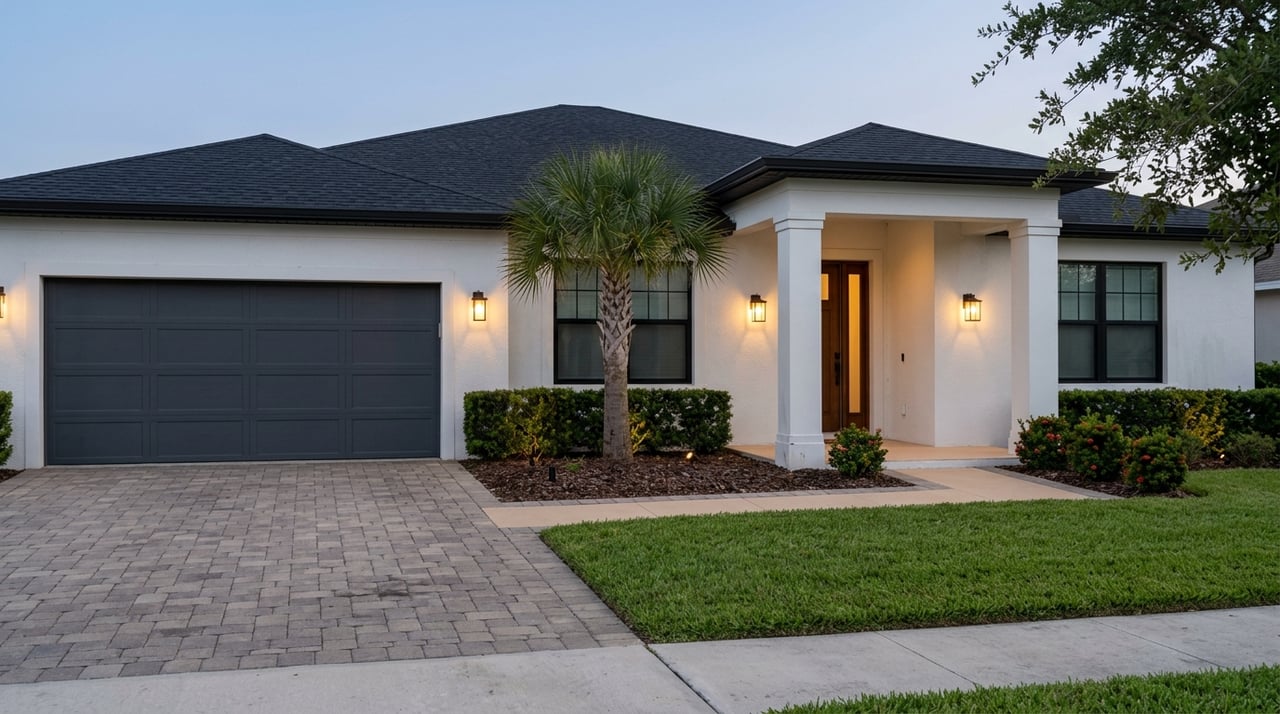
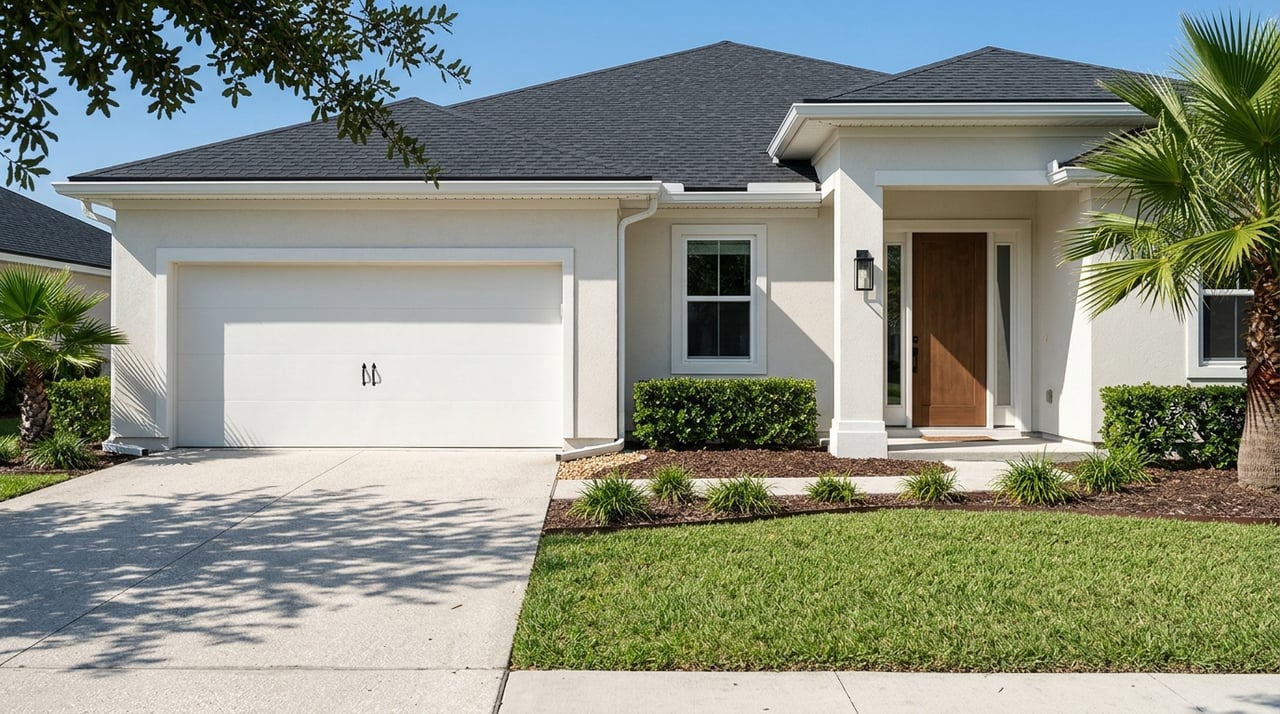
Housing styles run the gamut: historic bungalows and Craftsman cottages, Mediterranean and Colonial influences, mid-century homes, and newer infill builds, townhomes, and condos. Many buyers seek single-family streets with mature trees and yard space, while others prefer low-maintenance living near Park Avenue. Prices are often higher than the Orlando city average, which ties back to location, historic charm, and amenities. If you are eyeing an older home, budget time for inspections and potential updates for HVAC, energy efficiency, and hurricane resilience.
Notable areas to explore
- Park Avenue and Downtown core: High walkability near shops, restaurants, Central Park, and cultural venues. Great if you value a lively, pedestrian-friendly routine and shorter trips for daily errands.
- Hannibal Square Historic District: A historically significant neighborhood with character homes and a strong community feel. Some properties may fall under local historic review.
- College Quarter near Rollins: An academic-adjacent area with a mix of rentals and single-family homes, plus proximity to private schools and cultural programming.
- Lakefront neighborhoods: Homes around lakes Osceola, Virginia, and Maitland often offer water views or access. Check flood zones and insurance requirements before you commit.
- Outlying residential pockets: More recent subdivisions and townhome options can offer a bit more value compared with the downtown corridors.
Planning tip: Properties in designated historic districts may require exterior design review. Review current rules on the city’s Historic Preservation page before you renovate.
Commute and connectivity
Driving basics and sample times
Winter Park links to the region through I-4 and key arterials, with typical drives of about 10 to 20 minutes to downtown Orlando, depending on your starting point and time of day. Orlando International Airport usually takes about 20 to 40 minutes with normal traffic. If you commute to medical centers, office parks, or the downtown core, test your route during peak hours to confirm.
Transit, trains, and trails
Downtown Winter Park has a SunRail station that connects you north and south through the metro. Check the SunRail schedule to see if it lines up with your work hours. Local buses run through LYNX, which provides route maps and trip planning. Many central streets have sidewalks and shade trees, and the Cady Way Trail offers links for biking or jogging to nearby areas.
Schools and family services
Winter Park is primarily served by Orange County Public Schools. Performance varies by zone, and boundaries change, so verify your address with the OCPS Find My School tool before you make an offer. You will also find multiple private and parochial options in and near the city. Childcare, preschools, and enrichment programs are in demand, so start early.
Healthcare access includes local hospitals, clinics, and specialty care, with larger regional centers in Orlando for major needs. If proximity to specific providers matters to you, map the drive during your normal appointment times.
Parks, culture, and weekend fun
Central Park anchors the downtown experience with festivals, concerts, and open lawns. Nature lovers frequent Mead Botanical Garden and Kraft Azalea Garden for shaded paths and lake views. The city’s parks, sports fields, and community programs are easy to explore on the Parks and Recreation page.
On the culture front, the Morse Museum showcases the world’s largest collection of Tiffany glass, and Rollins College adds galleries, lectures, and performances. The weekly farmers’ market and major annual events, like the Winter Park Sidewalk Art Festival, bring energy to the calendar. Dining ranges from chef-driven restaurants to casual cafes and bakeries along Park Avenue and in Winter Park Village.
Practical things to know
- Weather and insurance: Central Florida has humid summers and mild winters. Hurricane season runs June through November, so keep a preparedness plan. Lakefront or low-lying homes may sit in FEMA flood zones. Use the FEMA Flood Map Service Center to check a property’s risk and discuss insurance needs with a local broker.
- Historic and permitting rules: Renovations and tree work often require permits. Review local processes, especially for historic districts, on the city’s Historic Preservation and general City of Winter Park pages.
- Taxes and budget: Florida has no state income tax. Plan for property taxes through Orange County and for homeowner insurance, including wind or flood coverage as required. If the home will be your primary residence, look into Florida’s homestead exemption.
Relocating family checklist
- Confirm school zoning with the OCPS Find My School tool and call schools with specific questions.
- Map your commute to downtown Orlando and the airport during peak hours. Check SunRail and LYNX schedules if you plan to use transit.
- Review FEMA flood maps for any lakefront or low-lying property and get an insurance quote early.
- Ask about HOA bylaws, fees, rental rules, and architectural guidelines before you offer.
- Verify whether the home is in a historic district and review city design-review requirements.
- Inspect older homes for roof, electrical, plumbing, HVAC, and energy-efficiency updates.
- Walk the neighborhood at different times of day to gauge traffic, noise, and parking.
Ready to compare neighborhoods or set up tours that fit your family’s needs? Connect with Eileen Winfrey to call or schedule a free consultation. You will get hands-on guidance, staging and presentation expertise, and a tenacious advocate at the table, also known as a pit bull with a smile.
FAQs
What makes Winter Park different from other Orlando suburbs?
- Winter Park is an independent city with a walkable downtown, strong arts and college presence, mature tree canopy, and higher average housing costs than many nearby areas.
How long is the commute from Winter Park to downtown Orlando?
- Typical drive times range from about 10 to 20 minutes depending on where you start and traffic. SunRail also serves downtown via the Winter Park station.
Does Winter Park have public transit options for commuters?
- Yes. SunRail runs through downtown Winter Park, and LYNX provides bus service. Check each provider’s schedule for current routes and times.
How do I verify which public schools serve a Winter Park address?
- Use the OCPS Find My School tool and confirm directly with the district or the school, since boundaries can change.
Should I be concerned about flood insurance near Winter Park’s lakes?
- Some lakefront or low-lying properties may fall within FEMA flood zones. Review the FEMA Flood Map Service Center and consult your lender and insurance agent.
Are there special rules for renovating older homes in Winter Park?
- Homes in designated historic districts may require exterior design review. Start with the city’s Historic Preservation resources and verify permits before planning work.