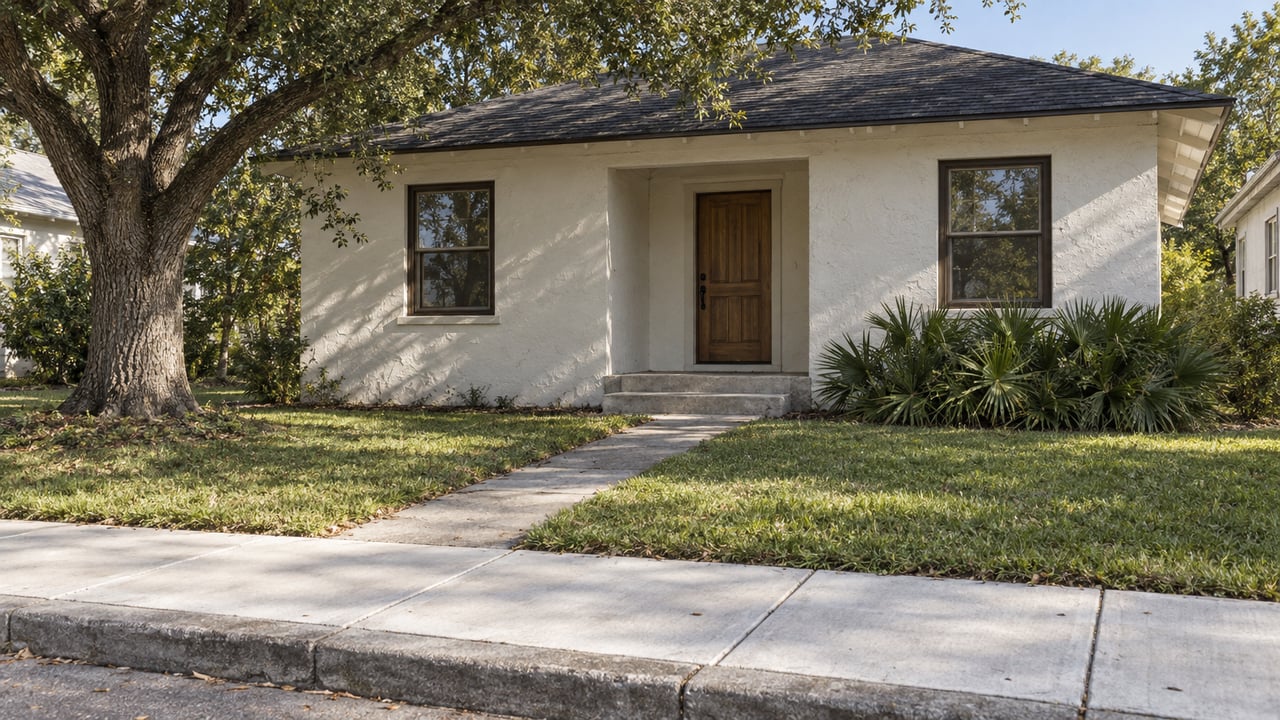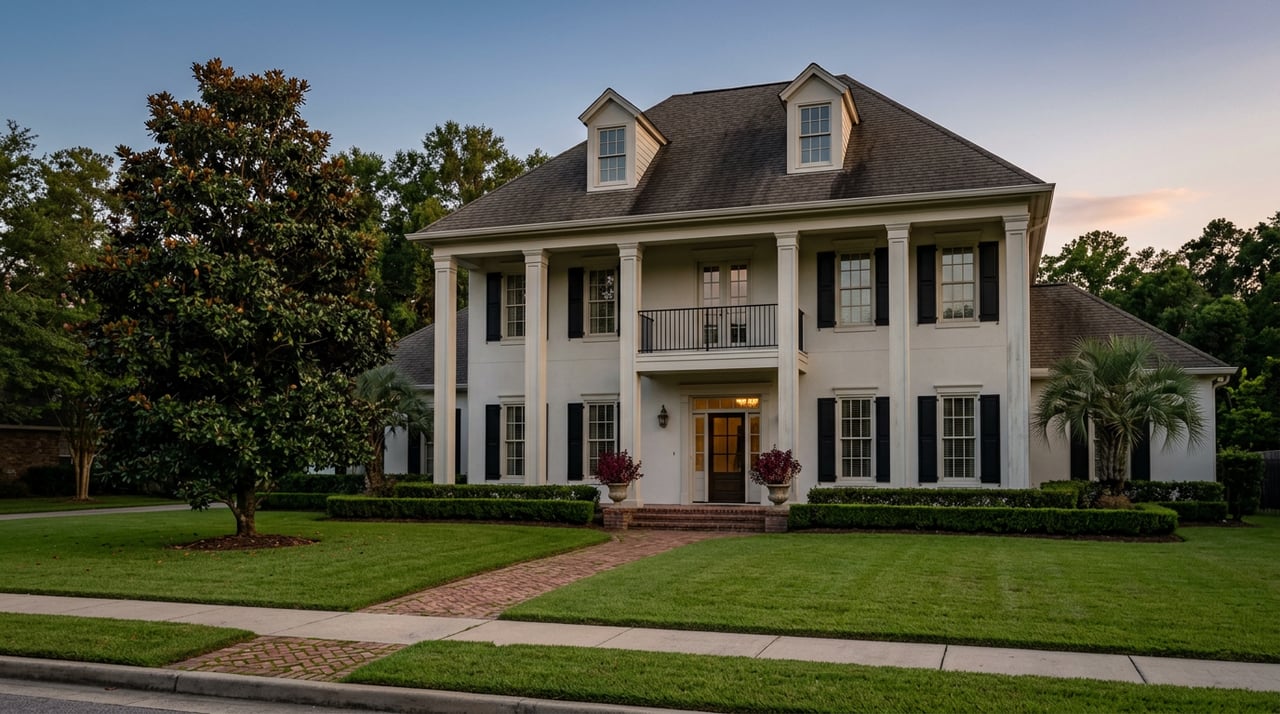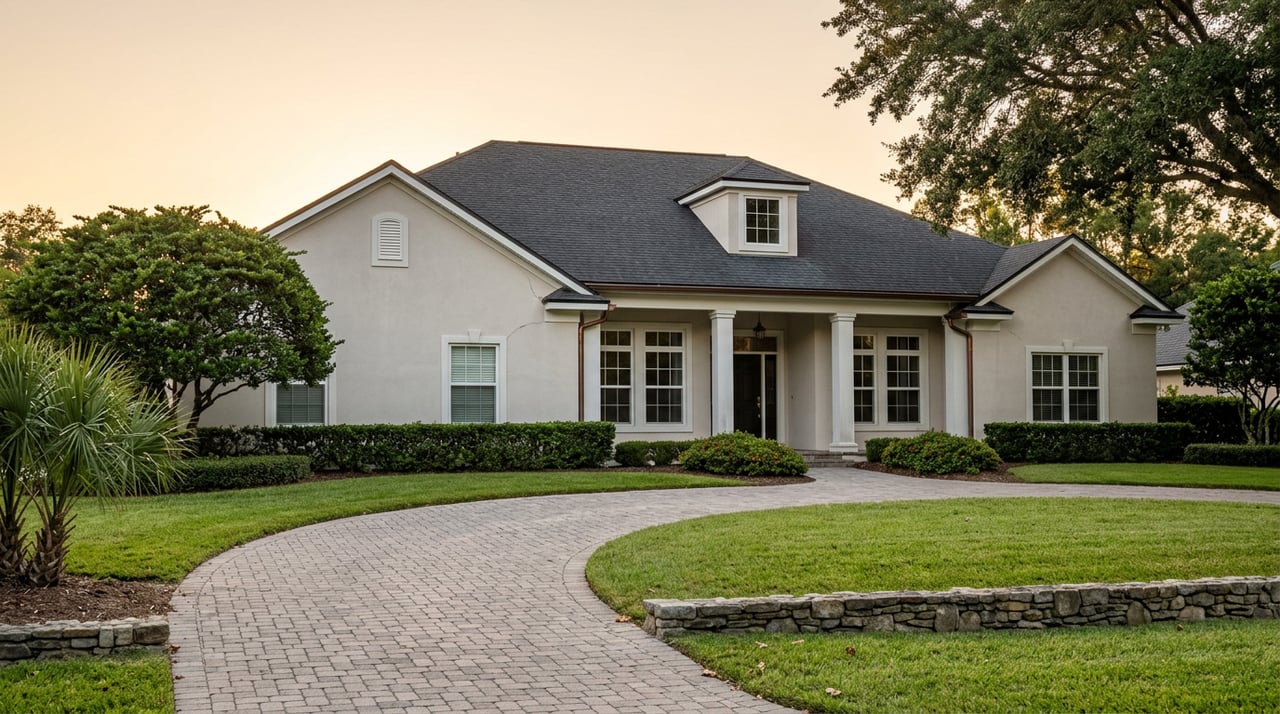
Two buyers walk into Laureate Park on the same Saturday. Same floor plan, same square footage, same builder finish package, same list price within a few thousand dollars. One of them will pay roughly $13,000 more to own that house over the next ten years than the other, and nothing on the listing sheet tells them which house is which.
The difference is not the roof, the lot, or the school assignment. It is a bond schedule buried in a document almost nobody asks for before writing an offer.
The CDD Line Item Is Not the Story
Every Lake Nona buyer eventually meets the CDD line on a tax bill or a builder's payment sheet. A Community Development District is a special-purpose local government created under Florida law to finance and maintain infrastructure, roads, drainage, parks, and entry features, and it recovers that money through an annual assessment collected alongside property taxes. In Laureate Park, that assessment runs close to $1,385 a year on top of monthly HOA dues. Storey Park's CDD line ranges from about $1,216 for smaller homes to $2,279 for larger executive-series product. Eagle Creek and Lake Nona South carry their own separate CDD charges, typically in the $1,200 to $2,400 range.
Most buyers stop there. They see the number, decide it is manageable, and move on to inspection scheduling. That is the mistake.
A CDD assessment has two parts, and only one of them is fixed. The debt-service portion repays the original infrastructure bonds and is set for the life of the bond, usually 25 to 30 years. The operations and maintenance portion covers landscaping, stormwater management, and clubhouse upkeep, and it can be adjusted every year by the district's board. The debt-service piece is what makes two identical-looking homes cost differently. It depends entirely on when the bond clock started for that specific parcel, not on the year you happen to be buying.
Why the Build Year Matters More Than the Price Tag
A 2014-built home in Laureate Park sits well into its bond term. The remaining payoff on a property like that is often under $9,000. A newer home in the same community, financed near the start of its own 25- to 30-year bond, can carry the full annual assessment for another two decades before the debt-service portion drops off.
Run that forward and the gap compounds. Carrying the full $1,385 annual assessment for a decade longer than a neighbor two streets over adds up to roughly $13,000 in extra carrying cost, even though both buyers may have paid the same purchase price and both homes may show the identical CDD figure on this year's tax bill.
This is the part a builder's payment calculator never surfaces. The calculator shows a single-year snapshot: mortgage, estimated HOA, estimated CDD. It does not show you where that CDD sits on its own repayment clock, and it has no reason to, because the calculator's job is to get you to the model home, not to project your carrying cost a decade out.
The Document That Actually Answers the Question
There is a specific record that resolves this before you write an offer: the CDD bond payoff statement, sometimes bundled with the assessment schedule. It shows the exact remaining bond balance, the annual payment, and the maturity date for that parcel, not the community average.
For resale purchases, Florida law also requires the seller to provide an estoppel letter disclosing any outstanding CDD balance, alongside the standard CDD disclosure that must appear in the purchase contract itself. For new construction, the obligation is typically buried inside the builder's contract rather than called out on its own page, which is exactly why it gets missed.
A few concrete steps close the gap:
- Request the CDD bond payoff statement for the specific parcel, not a community-wide estimate, from the district manager or the Orange County Tax Collector's non-ad valorem assessment records.
- Ask when the bond was issued and cross-check it against the home's actual construction year. Builders sometimes carry a phase's bonds differently than the individual home's age would suggest.
- For resale, confirm the estoppel letter lists the current outstanding balance, not the original bond amount from issuance.
- If financing, ask your lender how the remaining bond term factors into your housing expense ratio, since CDD assessments are typically included in that calculation.
None of this changes whether the CDD assessment itself is negotiable. It is not. The annual charge runs with the property and is set by the district, not by the parties at the closing table. What is negotiable is who absorbs any outstanding balance and whether that gets reflected as a credit in the purchase price.
Lake Nona's CDD Footprint Is Still Growing
This is not a static, wind-down story. In March 2026, Orlando city commissioners unanimously approved an ordinance establishing the Dowden Central Community Development District, a nearly 380-acre zone in southeast Orlando created from a petition by Beachline South Residential LLC. City documents describe a district with authority to build and maintain roads, drainage, utilities, parks, and certain security features, financed through assessments on property within the district rather than citywide tax dollars.
That approval matters for anyone comparing an established Lake Nona pocket to a newer one still in early build-out. A brand-new CDD means a brand-new bond clock, starting at year one for whoever buys first. The buyer who wants the newest amenities and the buyer who wants the shortest remaining bond term are, in Lake Nona right now, often looking at different sub-communities entirely.
What This Means When You're Comparing Communities
Isles of Lake Nona is sold out and resale-only, which means every unit there is further along its bond schedule than a brand-new phase would be. Laureate Park mixes older and newer sections under one master association, so the bond age varies block to block even within a single neighborhood. VillageWalk, built as an age-restricted community, carries its own separate fee structure tied to its amenity programming rather than a comparable infrastructure bond. Storey Park's wider CDD range, from roughly $1,216 to $2,279 depending on home size, reflects differences in unit type more than differences in bond age, which is a distinction worth asking about directly rather than assuming.
The sticker range for CDD fees across Lake Nona, roughly $1,000 to $4,000 a year depending on the community, tells you almost nothing about which specific home is the better financial position. The bond payoff statement does.
FAQ
Can I negotiate the CDD assessment itself down? No. The annual assessment is set by the district's board and runs with the property regardless of who owns it. What can be negotiated between buyer and seller is who covers any outstanding bond balance and whether that shows up as a credit at closing.
Are CDD assessments tax deductible? Generally no, for a personal residence. Because they are non-ad valorem assessments rather than ad valorem property taxes, they typically do not qualify as deductible real estate tax, though a tax professional should confirm treatment for your specific situation.
If the CDD bond is fully paid off, does the fee disappear? The debt-service portion goes to zero once the bonds are retired, but the operations and maintenance portion continues for as long as the district operates and can still change from year to year based on the annual budget.
Get the Payoff Statement Before You Write the Offer
A CDD disclosure document is easy to skim and easy to misread. The number that actually matters, the remaining bond balance on the specific parcel you are considering, rarely shows up until someone asks for it directly.
Eileen Winfrey has spent decades reading these documents before her clients sign anything, not after. If you are comparing homes across Laureate Park, Storey Park, Eagle Creek, or any other Lake Nona community, call or schedule a free consultation before your first offer goes in. The bond schedule is public record. Let's pull it together.